Viering DHHM, Vermeltfoort L, Bindels RJM, Deinum J, de Baaij JHF.
J Am Soc Nephrol. 2023 Nov 1;34(11):1875-1888.
Abstract
Background: Electrolyte reabsorption in the kidney has a high energy demand. Proximal and distal tubular epithelial cells have a high mitochondrial density for energy release. Recently, electrolyte disorders have been reported as the primary presentation of some mitochondrial cytopathies. However, the prevalence and the pathophysiology of electrolyte disturbances in mitochondrial disease are unknown. Therefore, we systematically investigated electrolyte disorders in patients with mitochondrial cytopathies.
Methods: We searched PubMed, Embase, and Google Scholar for articles on genetically confirmed mitochondrial disease in patients for whom at least one electrolyte is reported. Patients with a known second genetic anomaly were excluded. We evaluated 214 case series and reports (362 patients) as well as nine observational studies. Joanna Briggs Institute criteria were used to evaluate the quality of included studies.
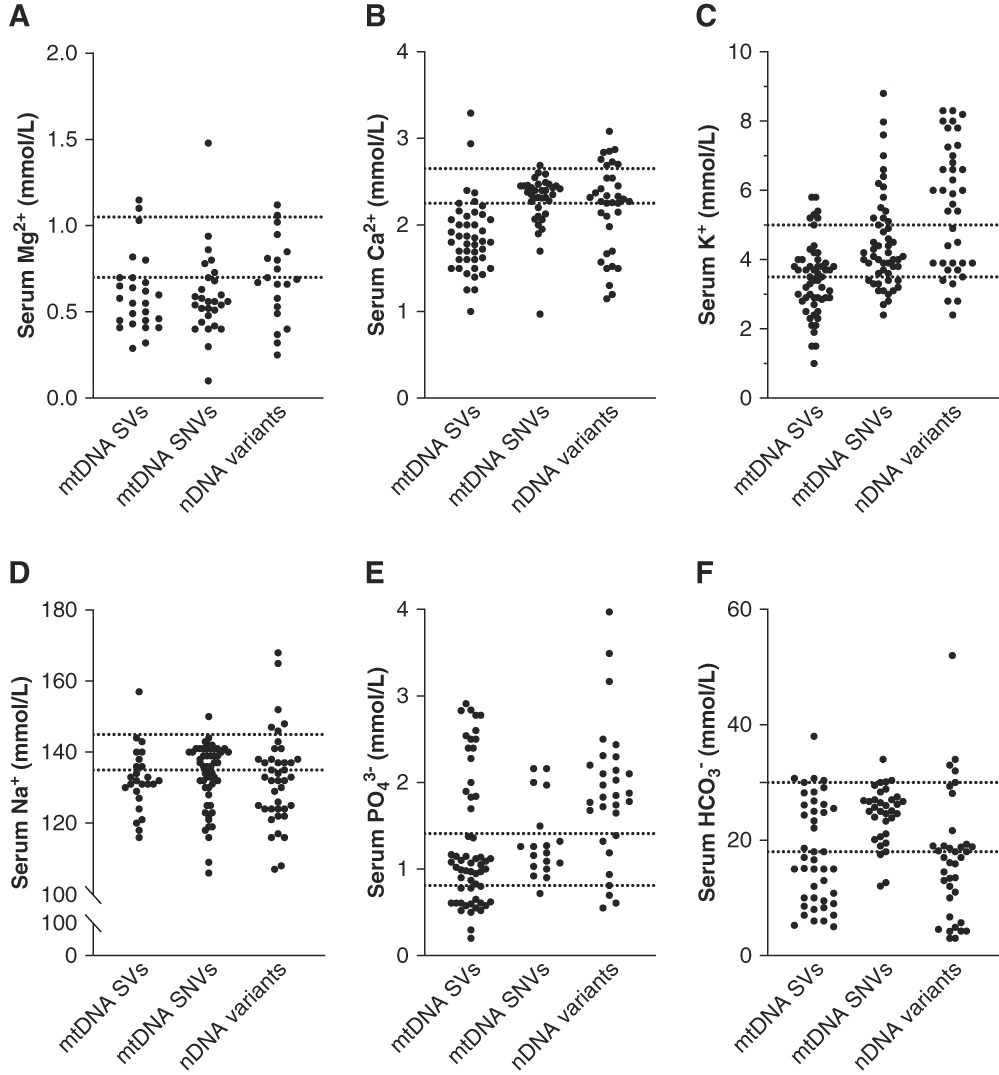
Results: Of 362 reported patients, 289 had an electrolyte disorder, with it being the presenting or main symptom in 38 patients. The average number of different electrolyte abnormalities per patient ranged from 2.4 to 1.0, depending on genotype. Patients with mitochondrial DNA structural variants seemed most affected. Reported pathophysiologic mechanisms included renal tubulopathies and hormonal, gastrointestinal, and iatrogenic causes.
Conclusions: Mitochondrial diseases should be considered in the evaluation of unexplained electrolyte disorders. Furthermore, clinicians should be aware of electrolyte abnormalities in patients with mitochondrial disease.
 Kidney Physiology